
Imagine a neighborhood, a small town, or a group of families deciding to produce and share clean energy. This is the idea behind Renewable Energy Communities (RECs): an innovative model where citizens, businesses, local authorities, and associations collaborate to create renewable energy systems, reduce energy costs, and contribute to the ecological transition. But how do they work, and what benefits do they offer? Let’s take a closer look.
Renewable Energy Communities: What They Are
Renewable Energy Communities are voluntary associations of individuals, organizations, or companies that choose to join forces to produce, consume, and manage energy from renewable sources. The goal of RECs is not only to reduce energy costs but also to promote environmental sustainability and create a positive impact on the local area, strengthening social and economic ties among community members.
Who Can Join a REC?
RECs are open to:
- Individuals
- Small and medium-sized enterprises
- Public bodies and associations
- Religious institutions
- Third Sector organizations
Their aim is not profit but generating environmental, economic, and social benefits for the community and the territory.
Which Systems Are Allowed
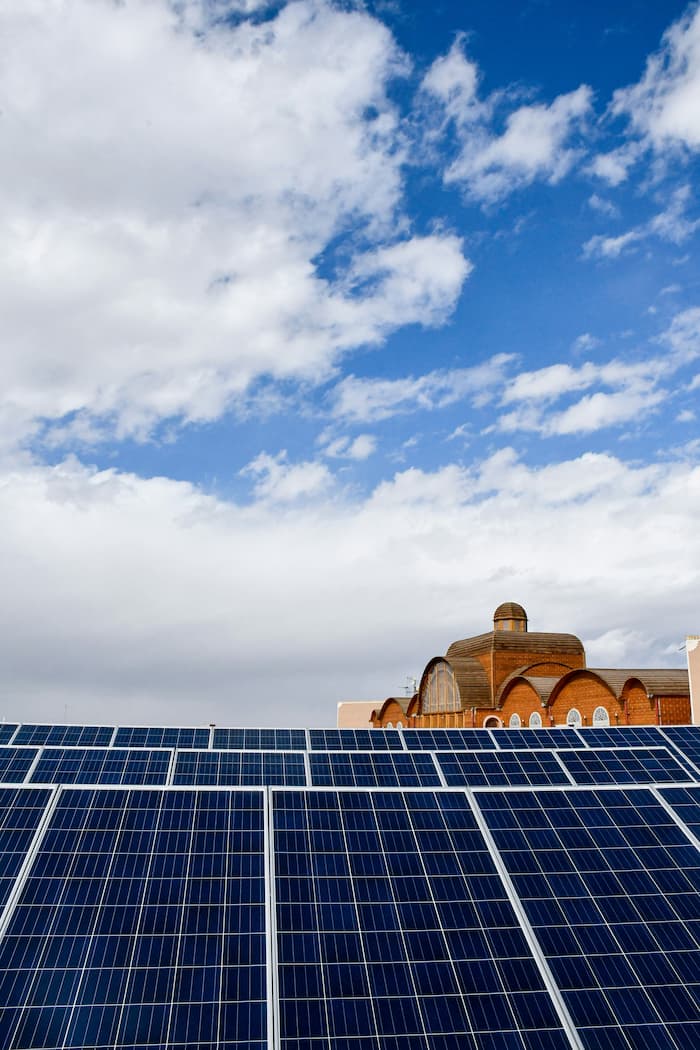
RECs can include renewable energy systems up to 1 MW of capacity, either newly built or upgraded. Examples include photovoltaic systems, small wind or hydro plants, biogas or biomass plants (if compliant with environmental requirements), and storage systems. Existing systems can also be included within certain limits to maximize the use of local energy resources.
RECs and Grants Up to 40% through the PNRR
The PNRR – Mission 2, Component 2, Investment 1.2 provides a non-repayable grant of up to 40% of eligible expenses for systems installed in municipalities with up to 50,000 inhabitants, with a total budget of €2.2 billion. Applications can be submitted online from July 21 to November 30, 2025 (while funds last). Work must be completed by June 30, 2026, and systems must be operational by December 31, 2027.
- Maximum contribution: 40% of eligible expenses
- Total budget: €2.2 billion
- Application opening: July 21, 2025
- Application closing: November 30, 2025
- Deadlines: Work completed by 06/30/2026 – Operation by 12/31/2027
What Are the Benefits of RECs?
Joining a Renewable Energy Community brings benefits on multiple levels, which can be summarized in three main points:
Key benefits of Renewable Energy Communities:
- Economic: lower energy bills, government incentives, and return on investment.
- Environmental: reduced CO₂ emissions and lower reliance on fossil fuels.
- Social: stronger ties between citizens and businesses, and enhanced local value.
- Energy resilience: ability to face crises and price increases thanks to local self-production.
Renewable Energy Communities are therefore not only a response to the energy and climate crisis but also a new way of living in and shaping the local area—producing energy together and sharing the benefits with the community.
Italy & Partners already has direct experience in setting up RECs in several municipalities and managing successful funding applications. Thanks to this expertise, it can support local authorities, businesses, and associations in every stage: from creating the REC to submitting the grant application and managing the administrative aspects of the project.
Do you want to create your REC and take advantage of PNRR grants?
Contact Italy & Partners: together, we can build a more sustainable and cost-effective energy future.